Herbal Energetics
Herbal energetics is a traditional framework used to describe how plants interact with human physiology. Rather than focusing on isolated constituents, energetics evaluates an herb’s primary taste, temperature, and functional direction within the body. The following is a foundational overview of the five primary tastes commonly referenced in Western herbal traditions.
Pungent
Pungent herbs are typically warming, aromatic, and stimulating. They promote circulation, increase metabolic activity, and encourage movement of stagnation within the body. Their effects are often immediate and noticeable.
A familiar example is the lacrimatory response that occurs when chopping an onion—an outward sign of pungent compounds stimulating the mucous membranes and sinuses.
Clinically, pungent herbs are frequently used to:
Support digestion by increasing digestive secretions
Enhance peripheral circulation
Assist the body during the early stages of fever, particularly when chills or a sensation of cold is present
Common pungent herbs include garlic, sage, rosemary, black pepper, bee balm, and cayenne.
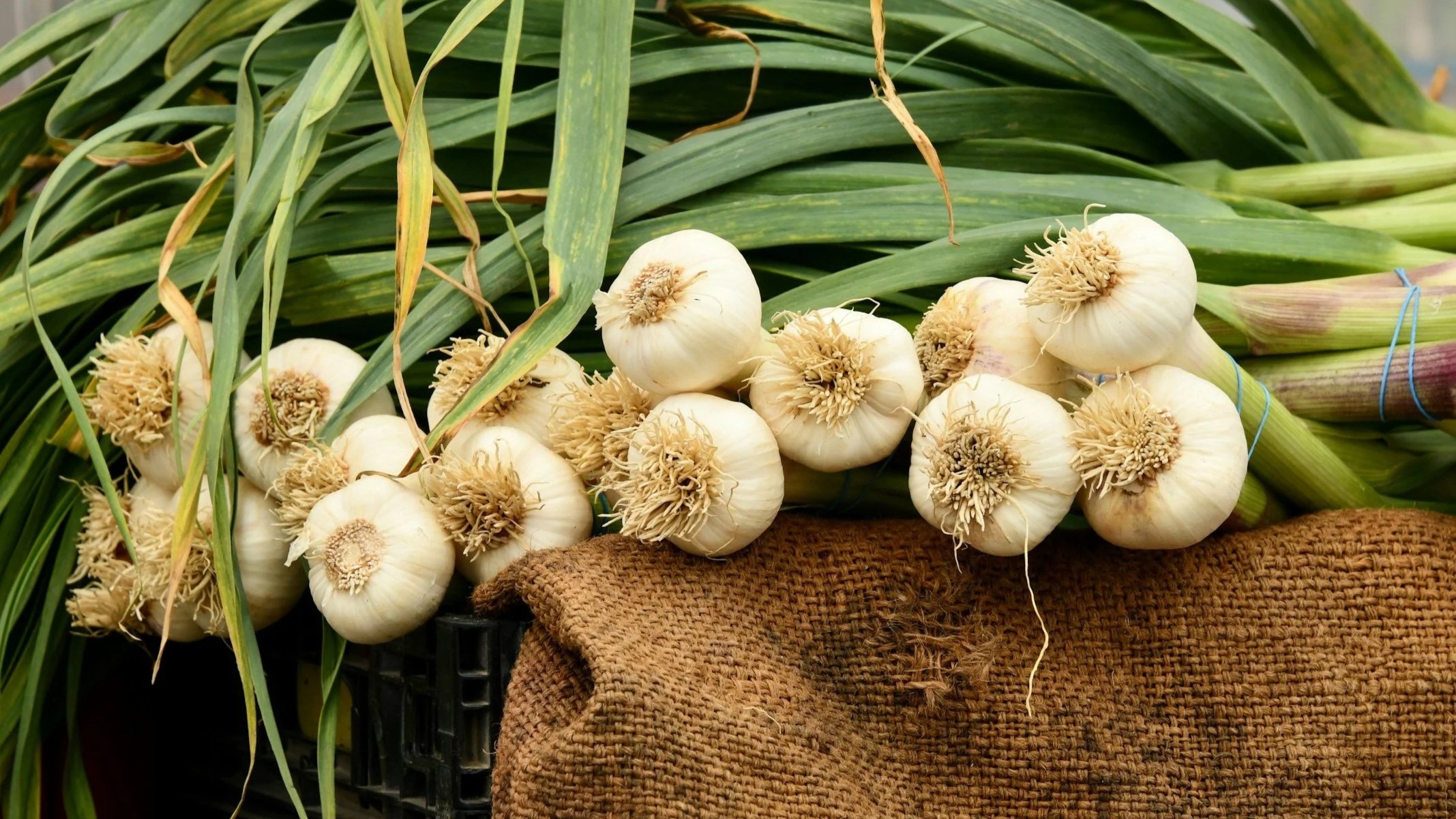
add a photo with mixed aromatic; garlic, red onions, burdock root…
Salty
Salty herbs are characterized less by flavor and more by their high mineral content. They tend to influence fluid balance, tissue hydration, and electrolyte regulation within the body.
These herbs often have an affinity for the kidneys and connective tissues and may exhibit mild diuretic properties while still contributing mineral nourishment.
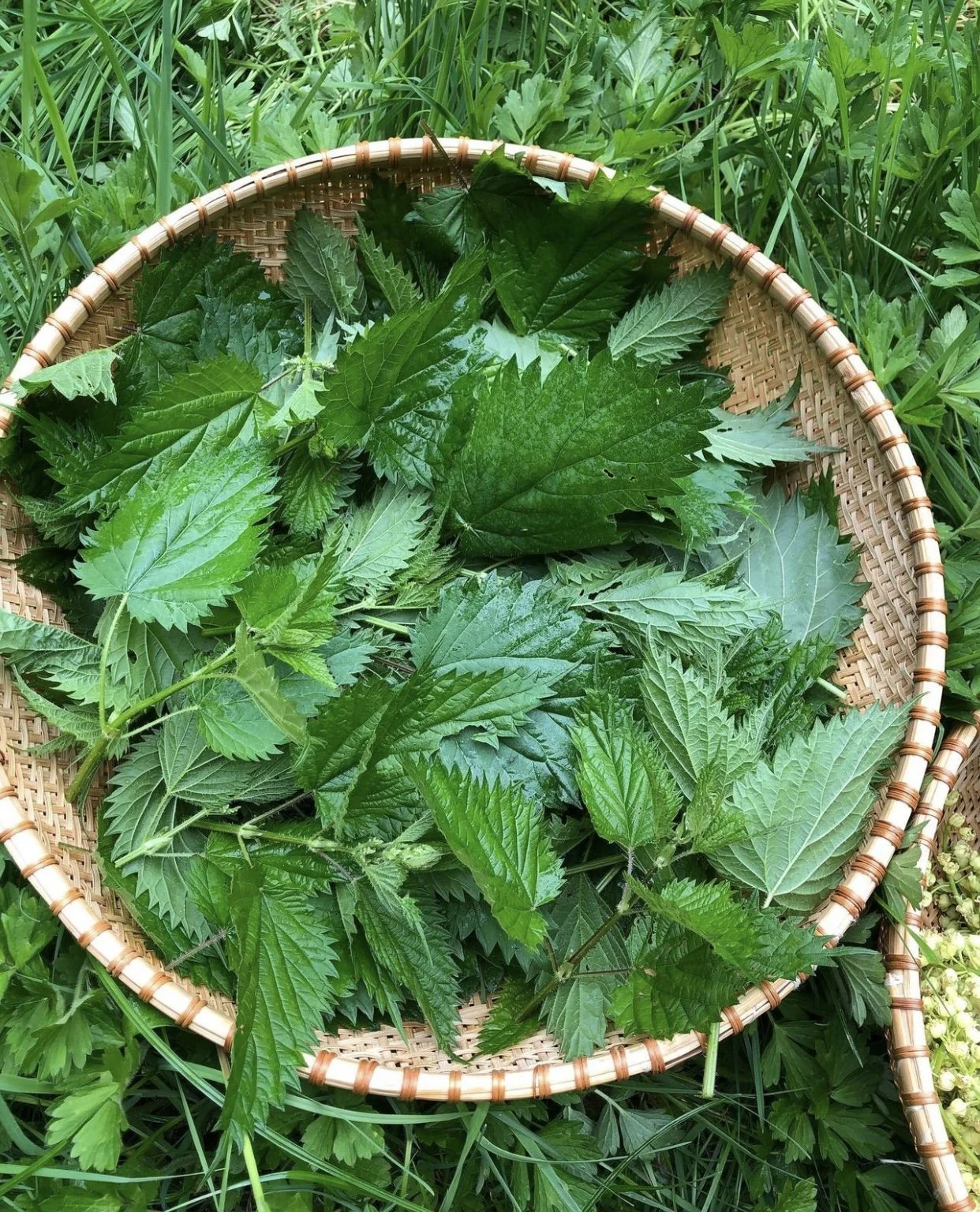
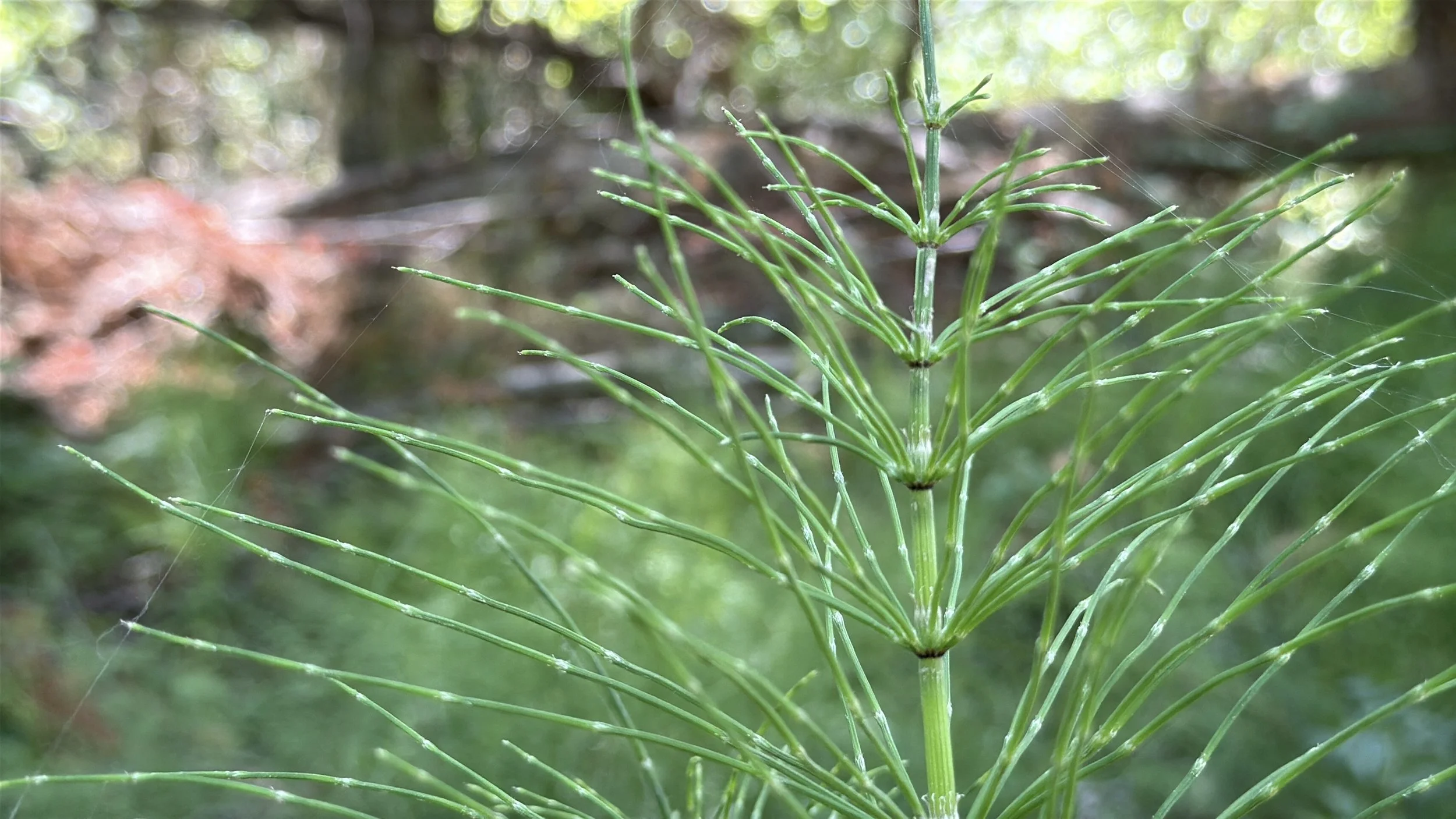
Stinging nettle is a classic example: it is nutrient-dense, mineral-rich, and supports healthy fluid metabolism. Other herbs commonly classified as salty include chickweed, oatstraw, and violet.
Sour
Sour herbs are generally cooling and astringent, with a drying quality. They stimulate digestion, support tissue tone, and are often rich in antioxidant compounds.
From an energetic perspective, sour herbs are considered strengthening and protective, particularly for organs such as the heart and eyes. Their astringent nature helps maintain structural integrity and balance excess fluid or laxity.
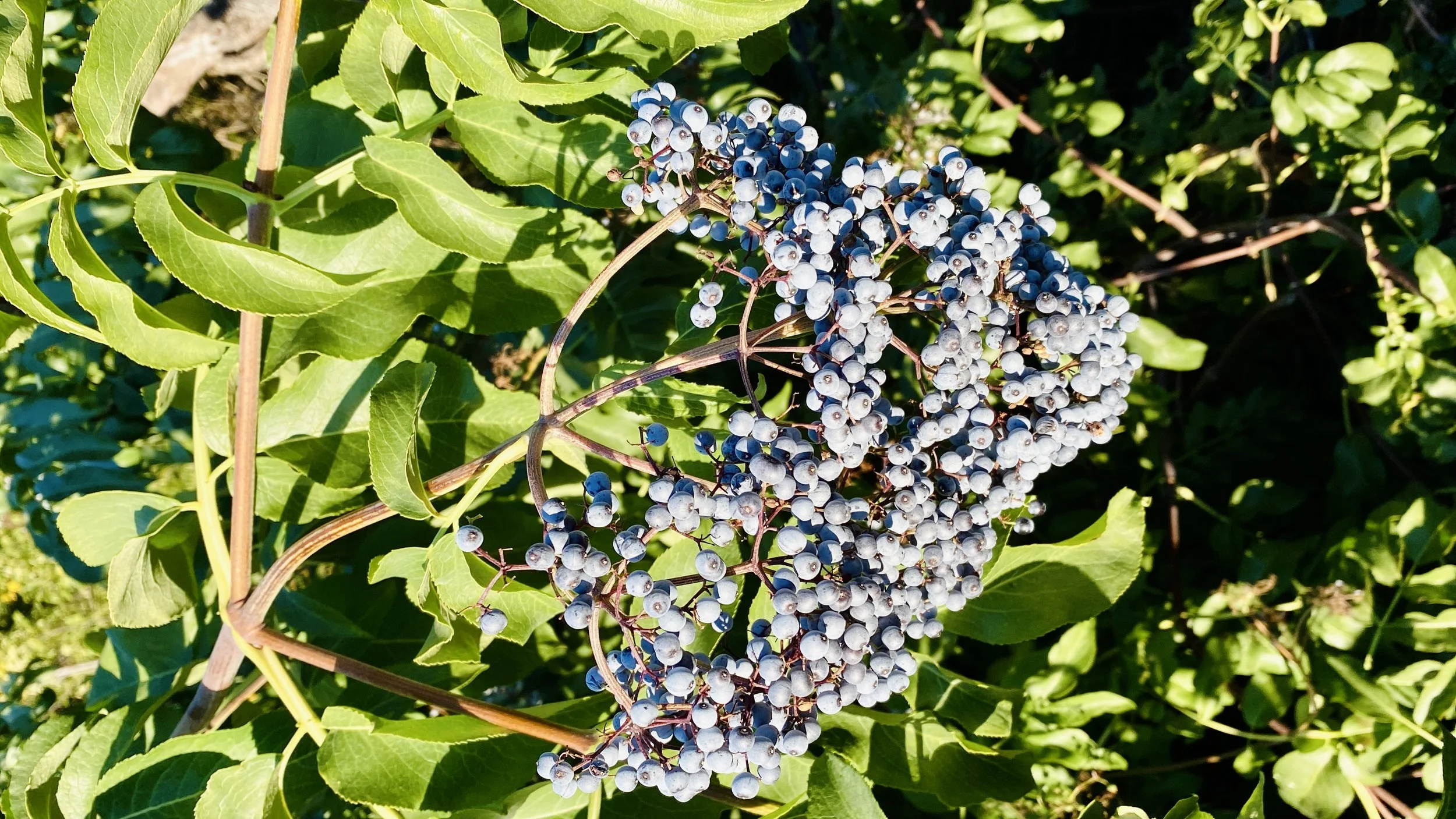
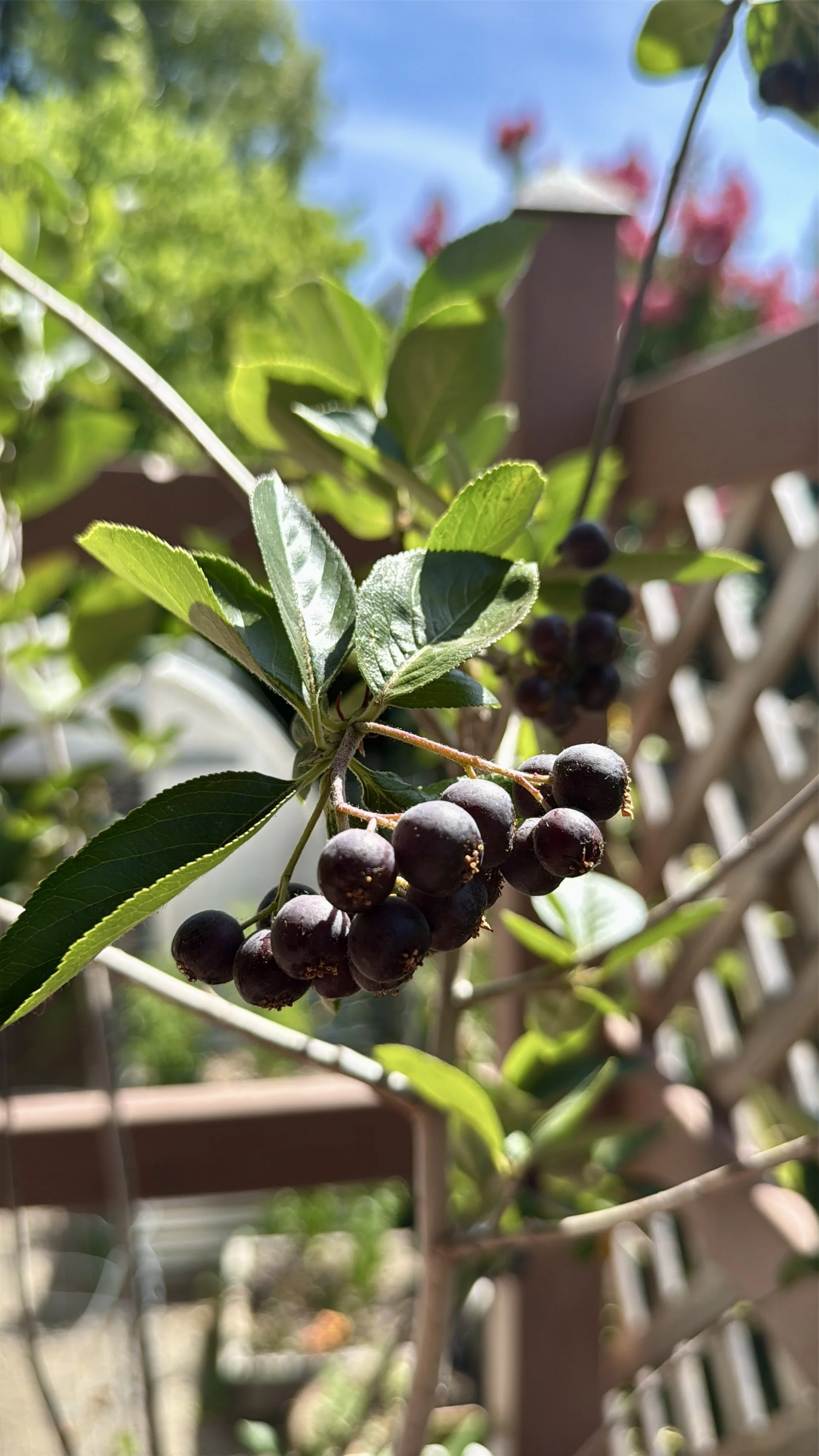
Elderberries and hawthorn berries are representative examples of sour herbs used for both protective and supportive purposes.
Bitter
Bitter herbs exert a cooling, draining, and regulatory effect on the body. They are well known for stimulating digestive function by increasing bile flow and digestive enzyme secretion.
Clinically, bitters are often used to:
Support liver and gallbladder function
Improve digestion and nutrient assimilation
Help modulate inflammatory processes
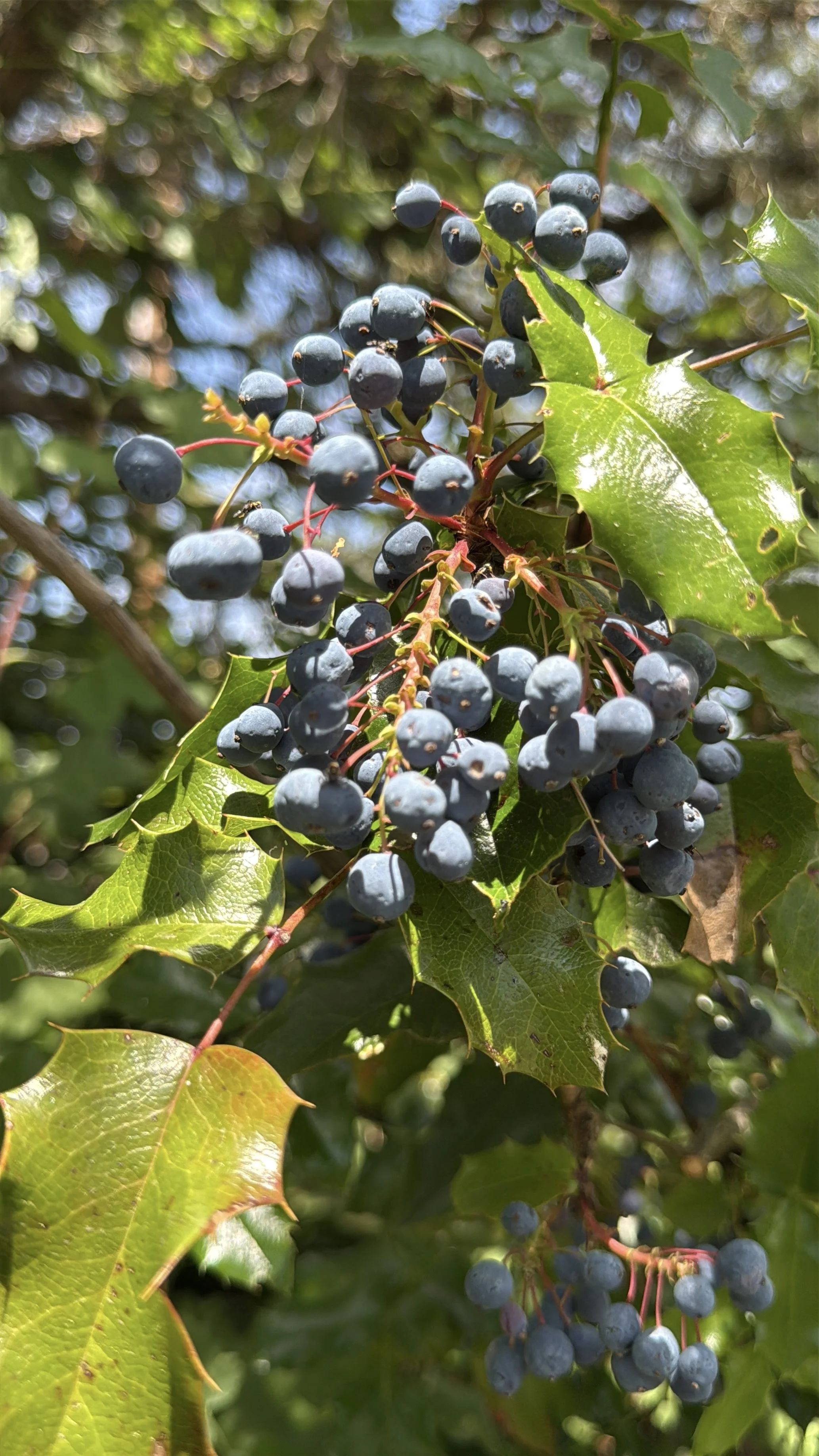
Artichoke leaf and Oregon grape root (Mahonia spp.) are classic bitter herbs that support digestion while influencing inflammatory pathways.
Sweet
Sweet herbs are generally nourishing, building, and restorative. They tend to support long-term vitality rather than producing immediate stimulation. Energetically, they are often warming and harmonizing.
These herbs are commonly used to:
Replenish depleted tissues
Support immune function
Promote resilience during periods of stress
Many adaptogens and immunomodulating herbs fall within this category. Astragalus, for example, is traditionally consumed as a daily tea to gently support immune function and overall energy over time.

Add astragalus and codonopsis root photo
